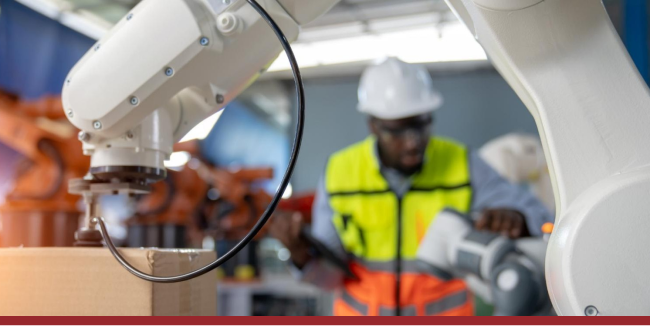
Warehouse automation is seeing strong growth as labor shortages, fulfillment complexity, and AI-enabled technology broaden the market beyond large greenfield projects. “Operators are looking for ways to get more out of the warehouses they already have,” says Mark Brune, a managing director in our Industrials Group. “AI and more flexible robotics are making that possible, opening opportunities for businesses that can bring the technology together and keep it running.”
Biopharma spending and activity are picking up thanks to increasing specialty therapeutics demand, greater funding, and more drug approvals. These healthier fundamentals are driving growth across the outsourced pharma services sector, from clinical development to commercialization.
Company owners, including sponsors, are increasingly employing structured capital solutions to accelerate liquidity or support transformational growth, even against a backdrop of resurgent M&A momentum. Growing adoption of these alternatives stems from a shifting mindset among owners, says Andrew Gulotta, a managing director and head of the Harris Williams Private Capital Solutions Group.
Distributors specializing in medical products and devices are vital to patient care worldwide, ensuring safe, efficient, and on-time deliveries to a range of care settings. Those focused on consumables are particularly well positioned for success thanks to their highly predictable and recurring demand.
Employers are prioritizing competitive benefits programs that meet rising employee expectations while navigating a complex regulatory and technology landscape. Handling these benefits in-house is costly and time-consuming, and most businesses aren't equipped to do it well.
The process to deliver fully compliant, high-quality products to consumers is becoming more difficult in today’s dynamic global trade environment. As a result, supply chain risk management (SCRM) technology and data providers specializing in product compliance, traceability, and quality control have become highly valuable partners to brands, retailers, manufacturers, and regulating bodies.
Consumers are taking a more proactive role in their health, and vitamins, minerals, and supplements (VMS) have become central to that effort. Rising interest in preventive wellness, growing comfort with self-directed care, and an expanding number of health-conscious consumers are driving momentum across the sector. At the same time, scientific validation, cleaner formulations, and digital-first brands are elevating consumer trust and broadening adoption.
Water is an essential resource and critical infrastructure priority, generating ongoing demand and investor interest across the water services value chain. Here we further explore the sector’s M&A momentum, profiling several recent clients that demonstrate the opportunity.
Across highly regulated facilities, from hospitals and pharmaceutical suites to data centers and research labs, testing and certification are required before spaces can open, operate, and generate revenue. That non-discretionary, recurring demand has turned testing, adjusting, and balancing (TAB) and controlled environment (CE) certification into one of the more sought-after corners of the specialized services landscape.
The impact of generative AI on the semiconductor supply chain is vast and multifold: High-performance computing is exploding, the data center buildout is accelerating, and a range of technology companies and emerging AI players are tapping into the opportunity.