Article - May 3, 2023
Key Insights
Rising consumer interest in high-protein foods and better-for-you snacks has made meat sticks and other meat snacks a preferred snack.
Many of the brands in the subsector rely on co-manufacturers to produce their meat snacks, creating an attractive investment opportunity.
Western Smokehouse exemplifies many of the qualities of differentiated platforms in this appealing subsector.
The meat snacks subsector, one of the fastest growing areas of the massive snack category, is characterized by several attractive factors garnering investor attention. Rising consumer interest in high-protein foods and better-for-you snacks has quickly made meat sticks and other meat snacks a preferred go-to snack for many.
Given the complexity of the manufacturing process, many of these snacks are produced by co-manufacturers that are leading innovation in the subsector. Here, senior bankers from the Harris Williams Consumer Group share their perspectives on what’s driving investor interest in co-manufacturing in general, and in meat snacks in particular. They highlight how leading companies are differentiating themselves, as exemplified by Western Smokehouse, a portfolio company of Monogram Capital Partners, which was recently acquired by AUA Private Equity Partners.
Beyond the C-Store
Meat snacks is a large and expanding subsector, in which U.S. consumers spend billions each year, with strong growth in several categories. Brant Wilczek, a director, notes that meat sticks are leading this growth. What was once a largely on-the-go convenience store item is now in the center of the grocery store as a healthy option for family snacking. Wilczek added, “the stick format, combined with the introduction of clean label offerings in the category, lends itself to consumption by a broader population, such as families and children.”
Across meat snacks, the better-for-you consumer preferences that are buoying many consumer segments are at play as well: Growth in better-for-you meat snacks is outpacing the broader category by a large margin.
“People are more concerned about what they're putting in their bodies. Purchasing and consumption behaviors are changing as consumers look for healthier, functional options, which is driving growth in natural, better-for-you products, including meat snacks,” says Hilary King, a Harris Williams vice president.
Many of the brands in the subsector rely on co-manufacturers to produce their meat snacks. That creates opportunities to move up the supply chain and acquire co-manufacturing businesses of scale that service multiple brands.
Harris Williams Managing Director Ryan Freeman highlights that many investors like the brand-agnostic appeal of co-manufacturing. “If investors feel there’s growth potential in a category, they can diversify risk by investing in a key manufacturer that supplies multiple brands in the category rather than investing in a single brand.”
He adds that once a co-manufacturer has established its expertise and built scale, it is well positioned to add on private label manufacturing or even expand into adjacent product categories to create new avenues for growth.
Differentiation in Action: Western Smokehouse Partners
Winning companies in co-manufacturing demonstrate several common traits, including alignment to consumer preferences, innovation, differentiated manufacturing capabilities, and the ability to scale. Western Smokehouse exemplifies these traits, which made it an attractive acquisition for AUA Private Equity Partners.
Western Smokehouse is a preferred manufacturing solution for the top brands and retailers in premium, crafted meat snacks. The company is well aligned with better-for-you and premium consumer preferences, in part, because of its differentiated manufacturing capabilities. “Better-for-you snacking continues to be a sector that garners investor attention. Western Smokehouse, alongside its partner brands, has played a critical role in the growth of crafted meat snacks and is well-positioned to continue driving and supporting growth in the category,” says Freeman.
Wilczek emphasizes that Western Smokehouse’s ability to manufacture meat snacks with zero sugar is highly differentiated because it is both a technically and operationally difficult process. The use of sugar and other additives helps simplify the process of gaining shelf stability in meat products, so removing these items makes the process significantly more complex. Very few companies can do this in small batches, let alone achieve the scale of Western. “Consumers are more conscious of added sugar,” says Wilczek. “Western Smokehouse is clearly the preeminent manufacturer for growing brands that focus on better-for-you products.”
R&D capabilities are also differentiating. Brands need partners that can execute to commercialize their new product ideas. But they also value forward-thinking partners that understand trends in the product category and can bring new concepts and ideas to them. Western Smokehouse has strong R&D capabilities in flavor development, zero-sugar production, plant-based processing, non-GMO, no artificial flavor and gluten free development, and bulk packaging.
How co-manufacturers build the capacity to help brands scale is a third defining trait of leaders. It’s not uncommon to find a new, innovative brand whose growth is limited by lack of manufacturing capacity. The bottleneck, for the brand and for co-manufacturers, can be finding sufficient capacity when a product line’s growth accelerates.
“Often, in categories that have not seen much innovation, emerging brands come in with new concepts that disrupt the category, and eventually accelerate overall category growth,” says Freeman. “But these brands then become handicapped in terms of how to scale. They need a partner that can scale with them and then support them on a national basis.”
Freeman adds that Western Smokehouse has invested in capacity to support the growth of its customers’ brands so that they can continue to expand nationally. “Quality and consistency tend to slip when a brand must utilize multiple small manufacturers. Western Smokehouse has enabled the brands it supports to maintain consistently high-quality products as they grow, even those requiring complex manufacturing environments.” Scaled manufacturing also enables high-volume production at lower costs, ensuring competitive pricing.
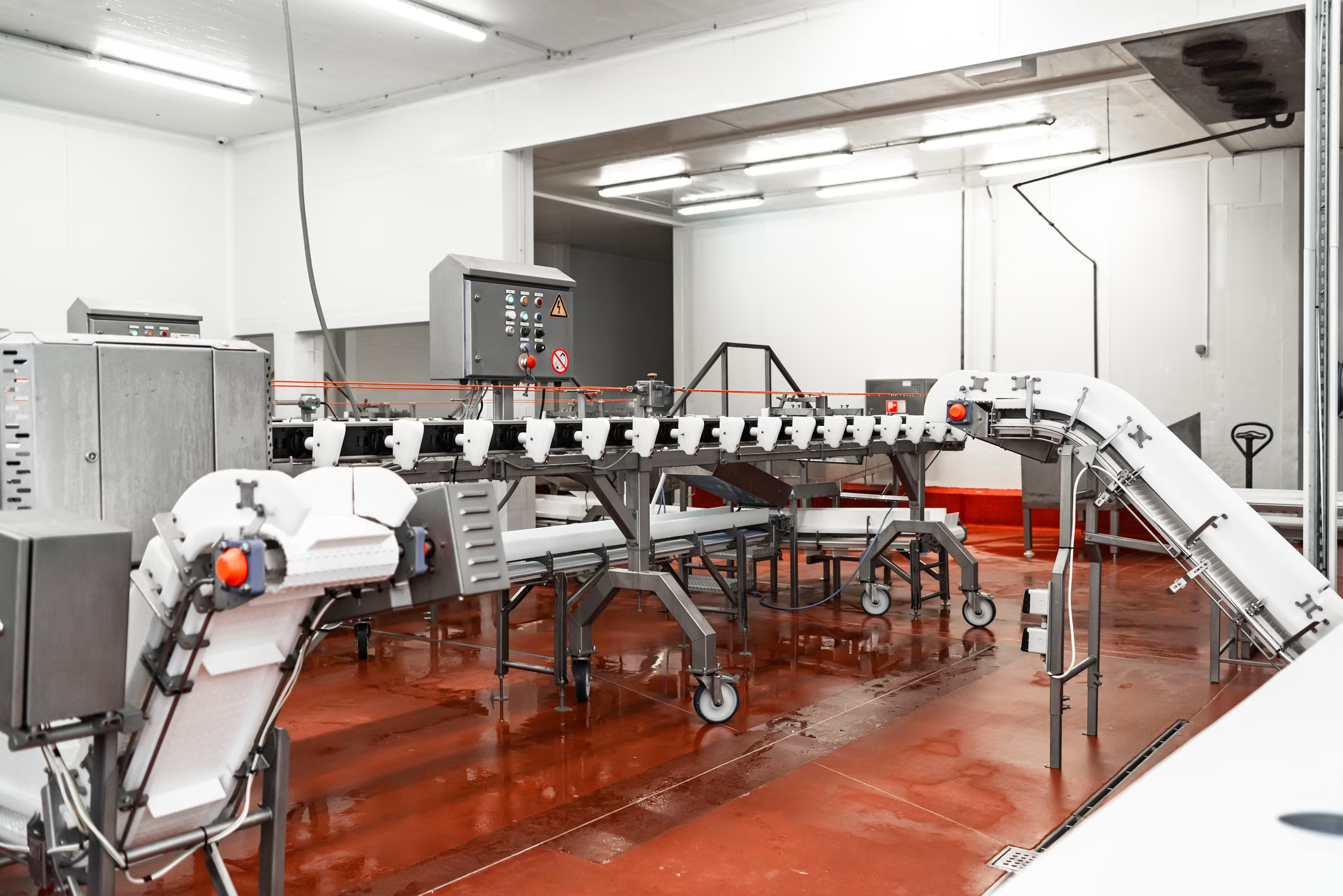
Western Smokehouse has expanded its capacity through both acquisition and investment in new and existing facilities. When acquiring small manufacturers, the company brings its intellectual property, processes, and expertise into those facilities to ensure they operate consistently at the quality levels achieved in its other facilities. It is preparing to open its fourth facility after expanding capacity in its other locations.
“Manufacturers that can show growth, profitability, and the ability to scale are attractive assets,” says King. “If a company can check the boxes on the first two, and the investor can help fund the manufacturer’s expansion in support of winning brands, that’s an attractive partnership,” she adds.
Strong Potential for Roll-Ups and Expansion
The meat snacks subsector is a growing segment of the snack foods market, particularly for brands that offer better-for-you products. This, in itself, presents interesting opportunities for investors. However, a deep look at this subsector points to an equally compelling investment opportunity in co-manufacturing.
“Manufacturing partners have a significant opportunity to benefit from the growth of their customers’ new and innovative consumer products, particularly if they have differentiated manufacturing capabilities and the capacity these high-growth brands need,” says Freeman. “Those that can bring innovative ideas to their clients further stand out.”
Freeman notes that once a co-manufacturer has established its differentiation and shown an ability to scale, it can leverage its manufacturing expertise, customer relationships, and management strength to become a larger platform within a subsector or to expand into adjacent subsectors with similar manufacturing needs. “The roll-up and expansion potential within food co-manufacturing is spurring substantial investor interest with good reason,” he concludes. As such, appetite should remain strong for those platforms that can differentiate and gain share in this growing market.