



Article - December 21, 2022
Key Learnings
A greater need for medical devices is being driven by powerful tailwinds, such as an aging population in need of ongoing healthcare, the rising prevalence of chronic diseases, and increases in surgical procedures and therapies.
These trends are creating healthy demand for providers throughout the medical device value chain, including CMOs, even amid difficult economic conditions.
Platforms view add-on M&A as an attractive growth avenue and are actively seeking acquisition opportunities that offer added capacity, exposure to valuable end markets, and expanded capabilities.
Against a backdrop of supply chain and inflation challenges, contract manufacturing organizations (CMOs) are experiencing steady growth due to rapidly expanding demand for medical devices, as well as continued supplier consolidation and outsourcing efforts from original equipment manufacturers (OEMs).
Senior bankers from our Healthcare & Life Sciences Group have frequent dialogue with strategic and financial buyers active in the CMO space. Here, we discuss the trends those buyers are watching most closely and their view of what differentiates top-performing companies.
A Strong Demand Environment for CMOs
With more consumers scheduling elective surgeries that were put on hold during the pandemic, procedure volume is resurging to pre-COVID levels. Turner Bredrup, a senior advisor in the Harris Williams Healthcare & Life Sciences Group, says this is creating a greater urgency to manufacture more medical devices and healthy demand for providers throughout the medical device value chain. “Several secular tailwinds further support this demand, including an aging population in need of ongoing healthcare and a rising prevalence of chronic diseases,” he adds.
To help meet the rising need for medical devices, OEMs that had slowed the launch of new product development or new programs have now resumed normal operations and see the value of outsourcing. “As OEMs outsource more production and front-end processes, CMOs will continue to experience substantial demand and long-term growth,” says Taylor Will, a director in our Healthcare & Life Sciences Group.
However, even amid a strong demand environment, supply chain issues present a major challenge across the medical device manufacturing landscape. Labor shortages, as well as supply chain challenges with raw material manufacturers, are a root cause of these problems, causing many CMOs to struggle with sourcing the materials required to manufacture and deliver finished devices to OEMs on time.
“These dynamics create an opportunity for more sophisticated CMOs,” explains Tyler Bradshaw, another Healthcare & Life Sciences Group director. “By adapting their operations and identifying production efficiencies to alleviate supply chain pain points and meet higher demand, CMOs can capture the attention of existing or new customers, as well as potential buyers.”
Characteristics of Attractive Acquisition Targets
Through increased capacity and expanded capabilities, CMOs can become higher-value partners to OEMs and elevate their position as valuable acquisition targets for strategic and financial buyers.
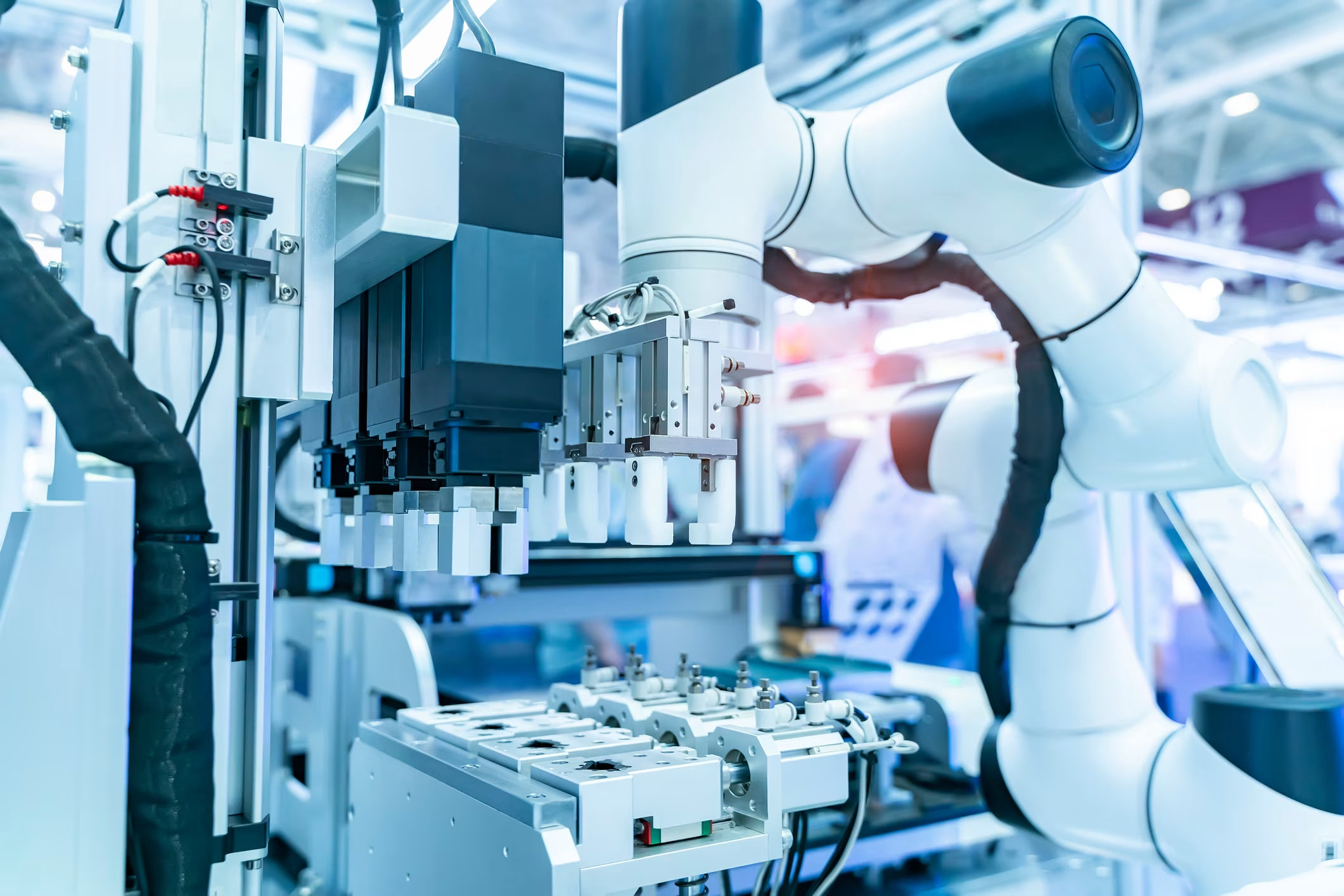
For instance, automation is one way for CMOs to increase efficiency, gain effective capacity, and minimize the effects of a tight labor market. “By adding automation or improving production line efficiency, CMOs can reduce the amount of labor needed to run each machine and increase their output,” says Bradshaw.
Beyond automation, nearshoring facilities is another potential solution to U.S. labor shortages. Will points out that many OEMs are interested in expanding their own manufacturing footprint through seeking partners with nearshore manufacturing. “CMOs that expand their nearshore operations to diversify their manufacturing footprint, access lower-cost labor, and drive higher production may be attractive to acquirers,” he says.
Potential buyers are also interested in CMOs that are adding new and complementary component capabilities and owning more of the manufacturing process. “Through greater vertical integration, CMOs can have better control over the broader supply chain and labor pool, while becoming more valuable vendors to OEMs by delivering near-finished products,” says Bradshaw.
In addition, OEMs sometimes develop new products that may be difficult to manufacture cost effectively and at scale and need CMO partners with a skill set that goes beyond manufacturing. Will explains, “Sophisticated CMOs with a wide range of capabilities can engage with OEMs earlier in the process and bring added value through prototyping, design for manufacturing, and more.”
The most attractive CMOs have also proven their ability to operate and maintain profitability in the current inflationary environment. The best operators are doing so by changing how they purchase materials, manage inventories, and pass on price increases to their customers. “They’re buying larger quantities or buying much further in advance and successfully passing on raw material price increases to their customers,” notes Bredrup.
Value Creation Through M&A
The appetite for M&A is strong in the CMO space, with buyers viewing the industry favorably given its healthy margin profile, outsourcing trends, and recession-resilient end market. It remains a highly fragmented landscape that offers substantial consolidation opportunities.
For example, M&A is becoming an increasingly relevant tool to gain capacity faster for existing platforms. “Rather than building their own automated facilities or developing new nearshore sites, many larger CMOs are buying efficient facilities in the right geographies to increase their output and meet rising demand more quickly,” explains Will.
Through M&A, CMOs can also continue building density in their current end markets or expand into new ones. “Groups with a medical focus can add more density in categories they’re strong in or enter new high-growth segments like robotic assisted surgery,” says Will. “On the other hand, CMOs with existing end-market exposure in other areas, such as automotive or industrials, may use M&A to establish a presence within the medical end market.”
Strategic buyers are looking to add differentiated capabilities via M&A as well—specifically, capabilities that enable faster growth or fill a production gap that allows for greater control of the supply chain.
Finally, given current market conditions, there continues to be a sharper focus on top-quality assets. “A+ companies with predictable revenue and strong growth are commanding higher premiums,” says Bradshaw. “We expect that those with well-integrated supply chains and differentiated technologies will continue to drive M&A going forward.”
To learn more, please contact our senior bankers.