Article - August 12, 2026
The impact of generative AI on the semiconductor supply chain is vast and multifold: High-performance computing is exploding, the data center buildout is accelerating, and a range of technology companies and emerging AI players are tapping into the opportunity.
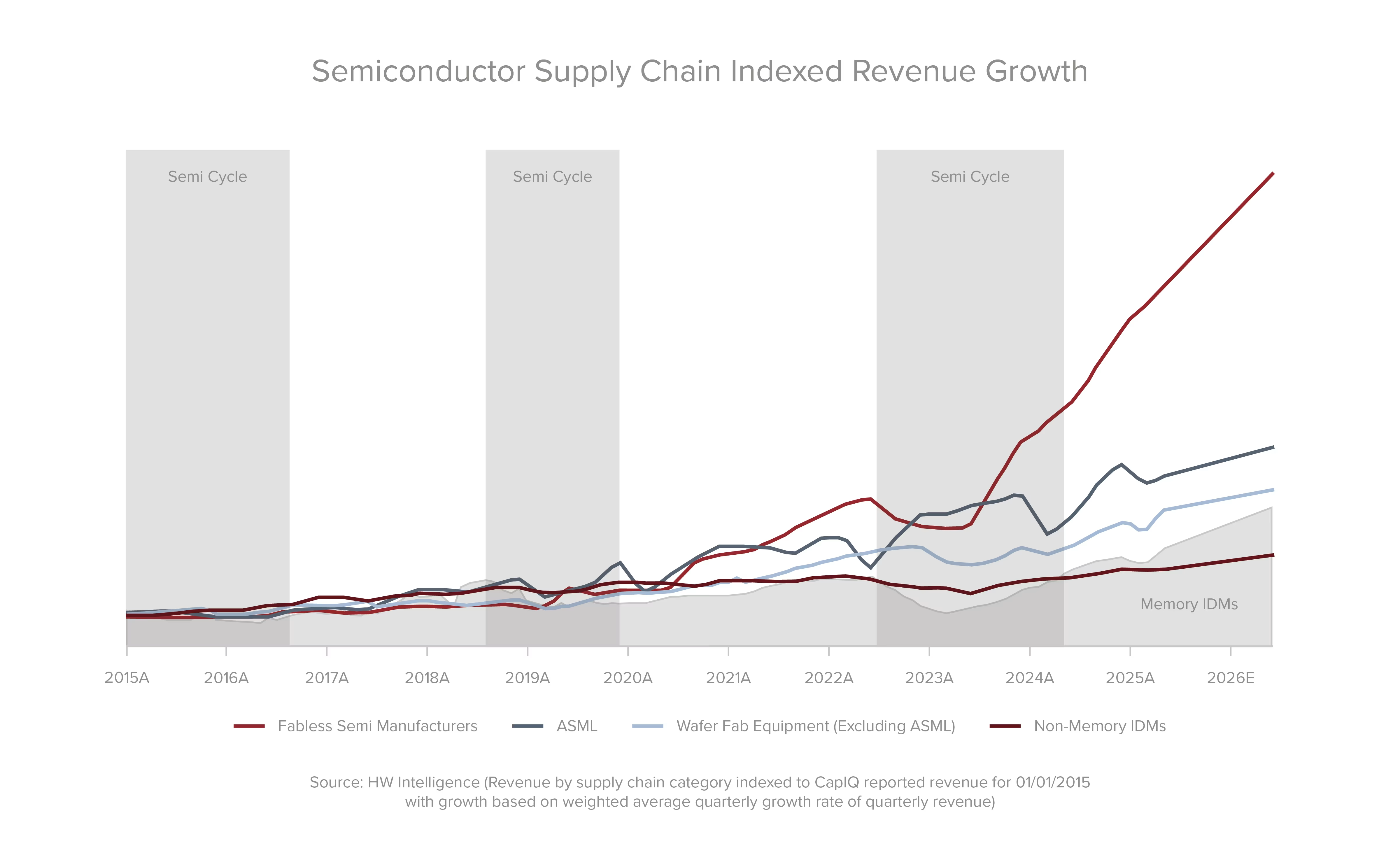
As a result, major semiconductor manufacturers and equipment makers, like ASML, NVIDIA, and AMD, are seeing unprecedented growth with multiyear contract visibility. ASML, a key producer of wafer fabrication equipment, has been particularly resilient from recent semiconductor cycles (Figure 1), separating itself from others in the space with its leading extreme ultraviolet (EUV) lithography technology.
Figure 1
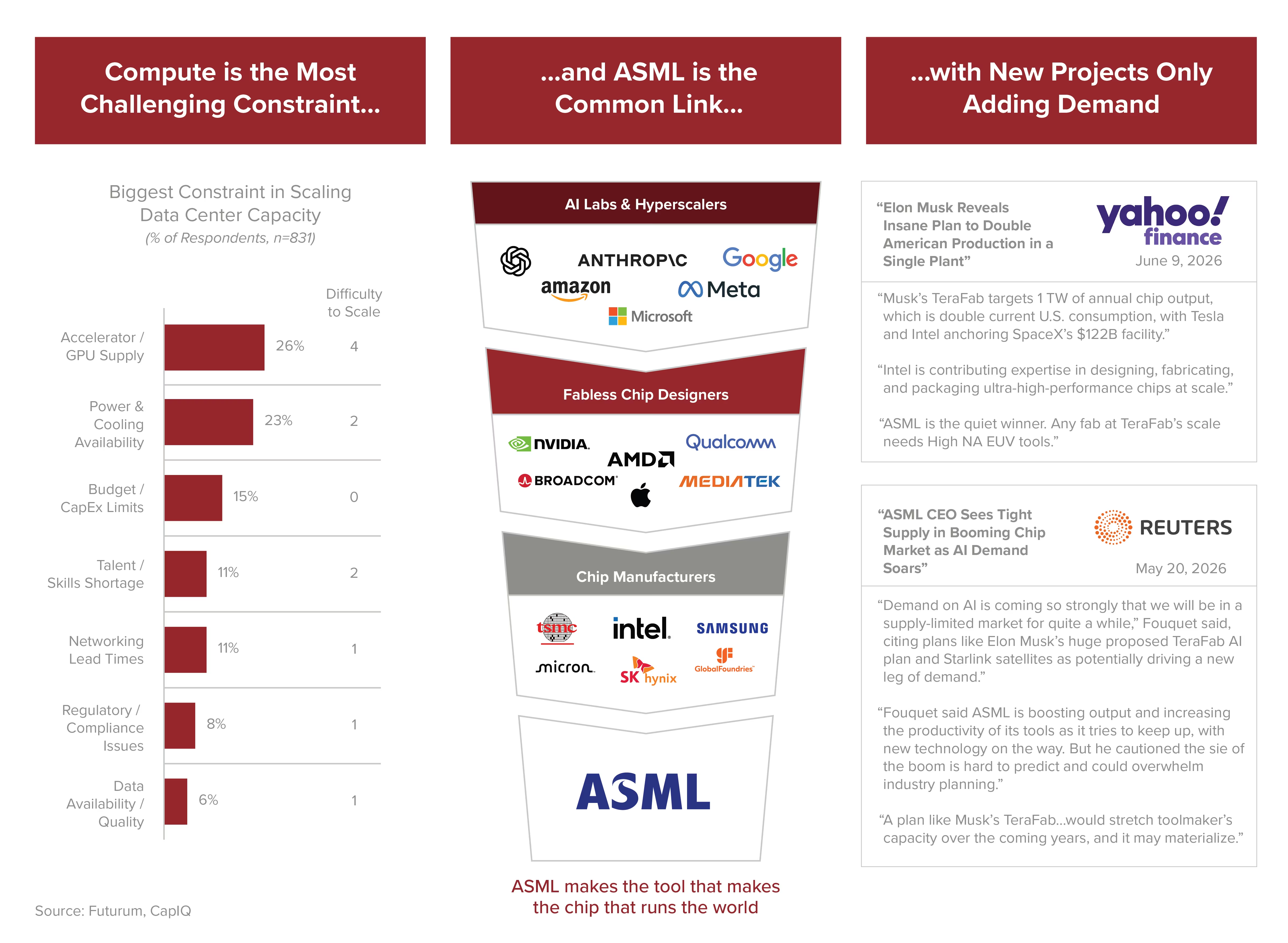
ASML’s unique machines are used to create the advanced chips necessary to power everything from AI to data centers to smart devices, making the company vital to global semiconductor manufacturers. And as computing demand continues to far outpace supply, ASML will only become more critical to worldwide chip production (Figure 2).
“ASML makes the tool that makes the chip that runs the world,” says Mark Brune, a managing director. “ASML’s orders remain very strong as its customers ramp up their chip capacity expansion plans to meet the needs of today’s AI boom.”
Because of these factors, businesses with strong exposure to ASML’s supply chain are poised for sustained growth and investor interest. Prime examples include those specializing in high-tech precision parts, highly engineered components and integrated solutions, micro-precision technology solutions, and advanced material structures and flow control, among others.
Figure 2
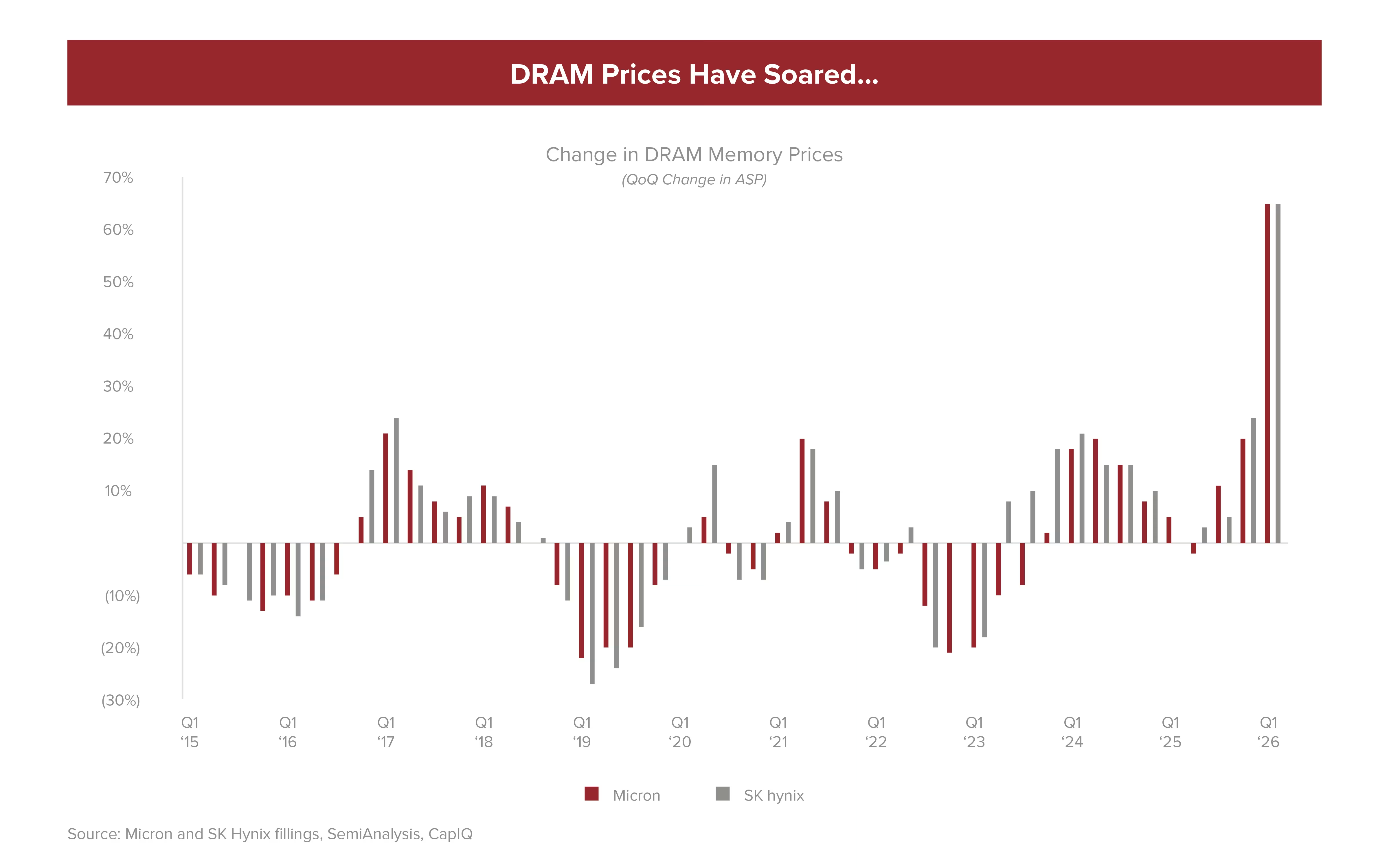
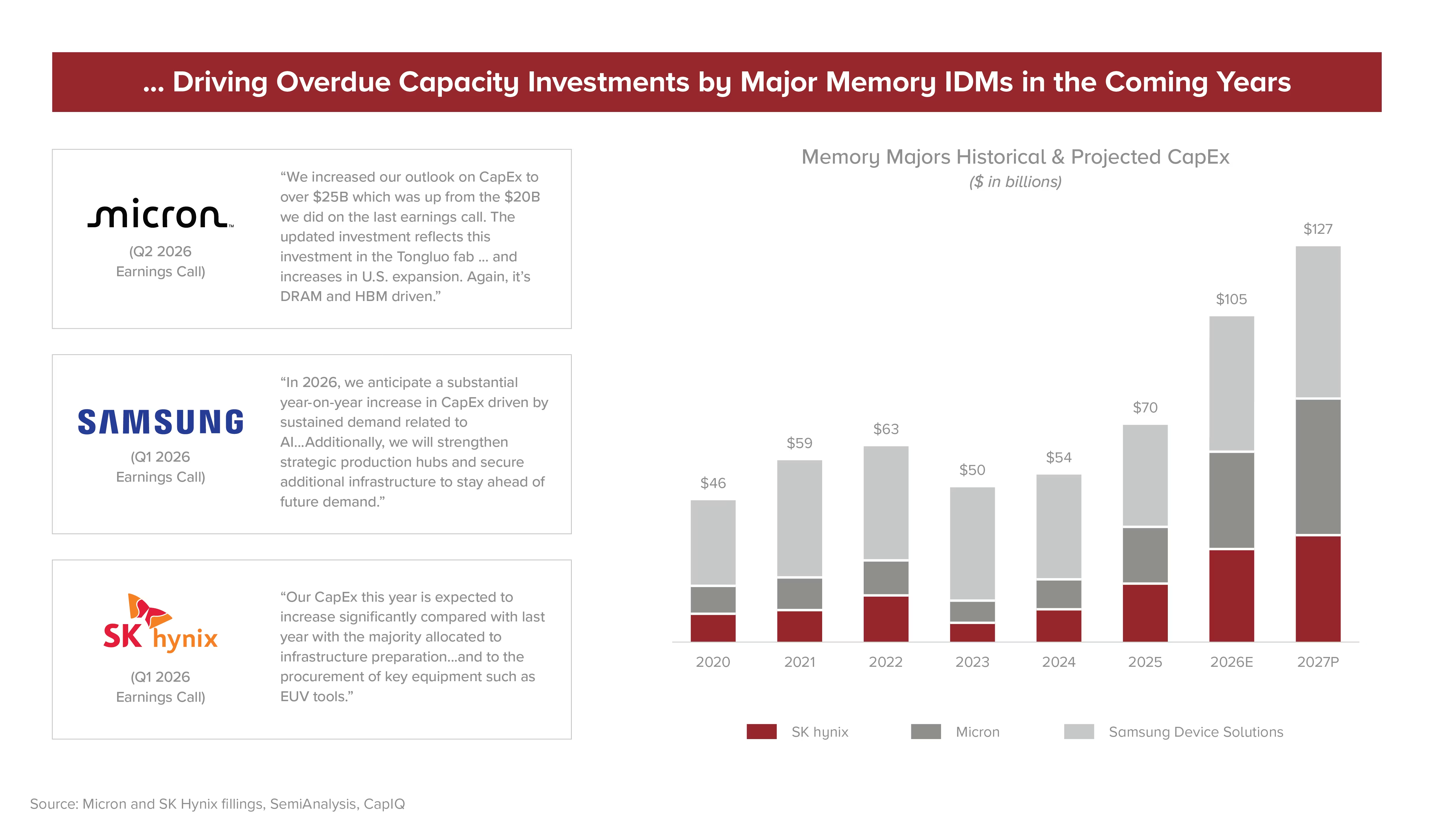
At the same time, the memory side of the market is also experiencing supply limitations and heightened demand. Dynamic random access memory (DRAM) prices, while historically volatile, have soared in 2026 as high-bandwidth memory (HBM) production continues to rise and use more DRAM wafer capacity. These themes are expected to persist, fueling structurally durable, long-term growth as we head into 2027 (Figure 3).
“AI and data center expansion have fundamentally changed the need for memory chips, with substantial supply shortages and new large-scale projects driving prolonged demand,” says Jenson Dunn, a managing director.
Figure 3
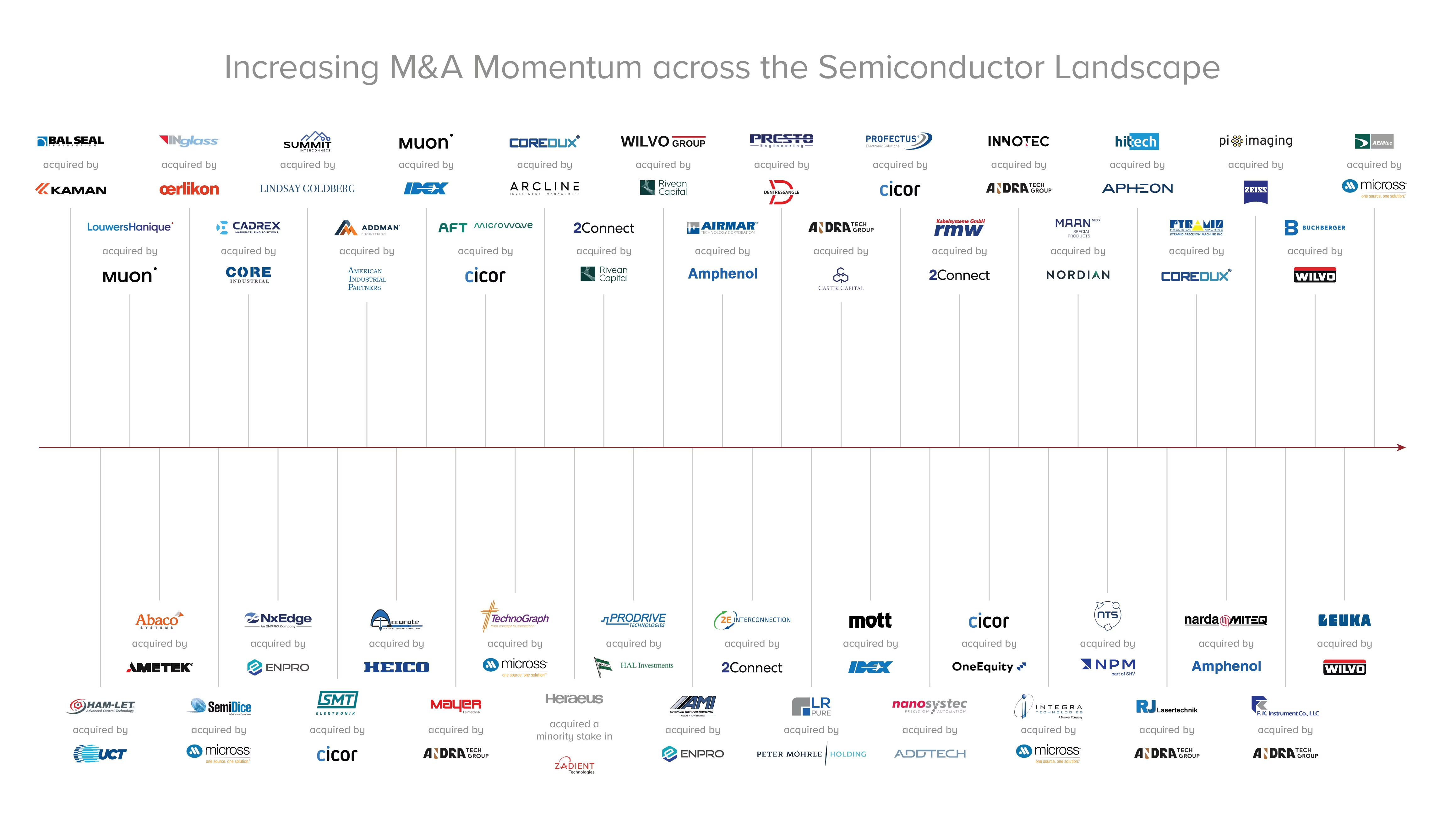
Against this backdrop, Harris Williams expects ongoing M&A momentum for businesses throughout the semiconductor supply chain. “Leaders in the space that offer significant capacity, specialized talent, highly automated processes, and flexible production of mission-critical components will be sought after by customers and investors alike,” says Florian Ripperger, a director.
We’ve seen this play out in many recent engagements:
AEMtec: Provides engineering and electronic manufacturing services specializing in complex micro- and opto-electronic modules and systems. AEMtec is a trusted, single-source development and manufacturing partner with a technology portfolio spanning wafer back-end services, chip-on-board, flip chip, 3D integration and opto packaging.
Mott: Offers sintered porous material structures and flow control solutions with deep applied material science knowledge and process control capabilities. Mott solves highly complex engineering challenges by co-innovating with the world’s largest technical brands and OEMs.
Motion Solutions: Brings highly engineered integrated solutions to market-leading OEMs. It designs and manufactures high-precision, customized subsystems and components with expertise in proprietary precision motion and advanced motion control solutions.
Summit Interconnect: Provides high-performance, complex PCBs. Summit specializes in high-mix, low- to mid-volume production with broad capabilities to produce rigid, rigid-flex, and flexible PCBs.
And while businesses with exposure to ASML and other equipment makers and chip producers are well positioned, the long-term winners will also uncover ways to diversify into new geographies and end markets. “Many companies are focused on enhancing their cross-border reach to offer local production at a competitive cost,” says Brune. “In addition, best-in-class businesses are tapping into other attractive end markets like aerospace and defense, energy, and gas turbine that require the same tech-enabled precision solutions.”
Figure 4
AI-Powered Demand
For years to come, the global semiconductor market will benefit from the proliferation of generative AI, the intensifying need for high-performance computing, and the expansion of data centers.
“We’re excited to watch the semiconductor market’s AI-driven super-cycle, long-term customer commitments and revenue visibility, diversification potential, and high fragmentation continue to capture strong investor attention,” says Brune.
To further discuss opportunities in the semiconductor market, please contact our senior professionals.