The process to deliver fully compliant, high-quality products to consumers is becoming more difficult in today’s dynamic global trade environment. As a result, supply chain risk management (SCRM) technology and data providers specializing in product compliance, traceability, and quality control have become highly valuable partners to brands, retailers, manufacturers, and regulating bodies.
Consumers are taking a more proactive role in their health, and vitamins, minerals, and supplements (VMS) have become central to that effort. Rising interest in preventive wellness, growing comfort with self-directed care, and an expanding number of health-conscious consumers are driving momentum across the sector. At the same time, scientific validation, cleaner formulations, and digital-first brands are elevating consumer trust and broadening adoption.
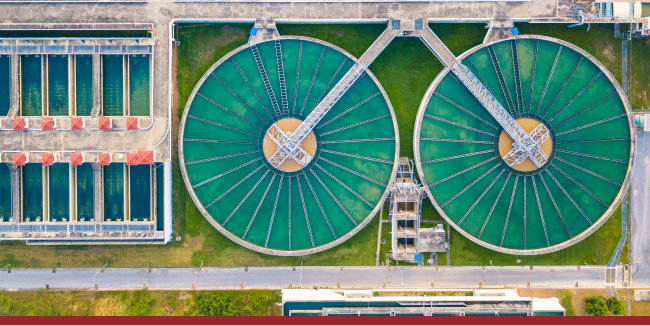
Water is an essential resource and critical infrastructure priority, generating ongoing demand and investor interest across the water services value chain. Here we further explore the sector’s M&A momentum, profiling several recent clients that demonstrate the opportunity.
Across highly regulated facilities, from hospitals and pharmaceutical suites to data centers and research labs, testing and certification are required before spaces can open, operate, and generate revenue. That non-discretionary, recurring demand has turned testing, adjusting, and balancing (TAB) and controlled environment (CE) certification into one of the more sought-after corners of the specialized services landscape.
The impact of generative AI on the semiconductor supply chain is vast and multifold: High-performance computing is exploding, the data center buildout is accelerating, and a range of technology companies and emerging AI players are tapping into the opportunity.
Across a wide range of end markets, a consistent and repeatable value-creation opportunity is attracting strong investor attention: services delivered by skilled technicians. Here, we explore this cross-industry theme and discuss several recent Harris Williams engagements that exemplify its potential.
The pharma commercialization services sector is benefiting from a powerful set of structural tailwinds—including a replenished drug development pipeline, growing complexity of novel modalities, and greater adoption of AI-driven commercialization tools—all of which are creating robust and sustained demand for third-party commercialization expertise.
Across the food and beverage sector, the shift toward natural ingredients is a powerful influence on product development, supply chains, and competitive dynamics. As consumers, retailers, and restaurant chains seek higher-quality, natural, and clean-label items, leading natural ingredient companies will continue to benefit. Here, our Consumer Group shares the themes creating demand for natural ingredients and what several recent clients reveal for today’s investors.
Within the growing and resilient food sector, specialty distributors have a prominent place at the table—delivering immense value to their customers while giving investors access to appealing themes. Below, our Consumer Group shares why specialty food distribution is seeing strong M&A activity and several recent Harris Williams engagements that highlight the opportunity.
A wide range of infrastructure-focused businesses are seeing strong long-term demand tied to electrification, grid resiliency, regulatory enforcement, and asset renewal. That’s creating a steady stream of opportunities for today’s investors across power systems, utility services, environmental infrastructure, specialty industrial components, engineering, roadway infrastructure, water/wastewater, and test, inspection, and certification. And while AI is meaningfully improving efficiency, safety, and asset productivity across this ecosystem, it is generally not impacting core business models, revenue durability, or growth drivers. In fact, the sector’s insulation against AI disruptions makes it more appealing to investors than ever.