Article - September 16, 2025
Featured professionals: Brant Cash, Hilary King, Andy Warczak
Consumers are spending more on food away from home while demanding greater value for their money in terms of price, quality, convenience, and the overall dining experience. To cost-effectively differentiate themselves, leading foodservice companies are turning to their suppliers to outsource production while bringing consistent quality and innovation to the table.
Here, we discuss the essential attributes of foodservice suppliers tapping into this potential, drawing on recent experience with several leading businesses in this dynamic space.
A Return to Growth
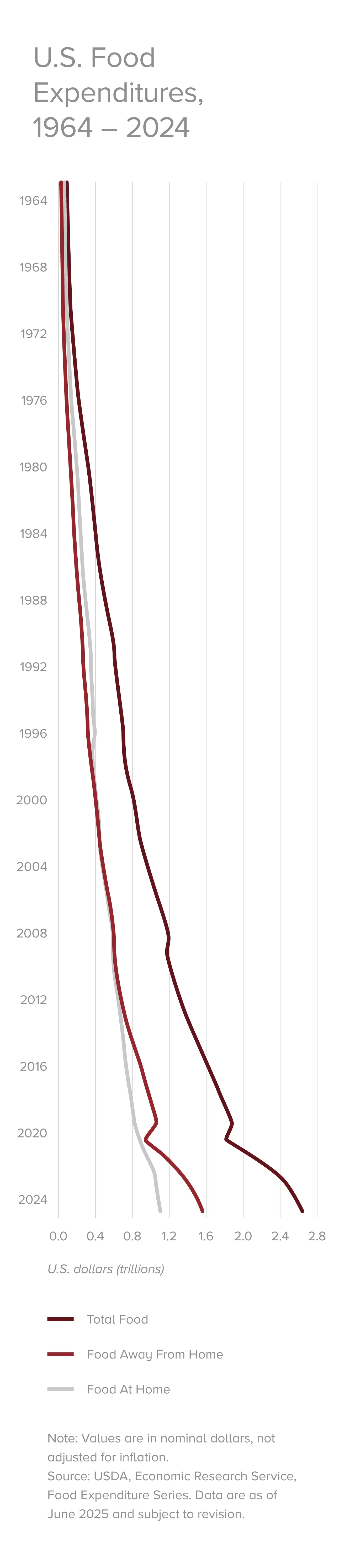
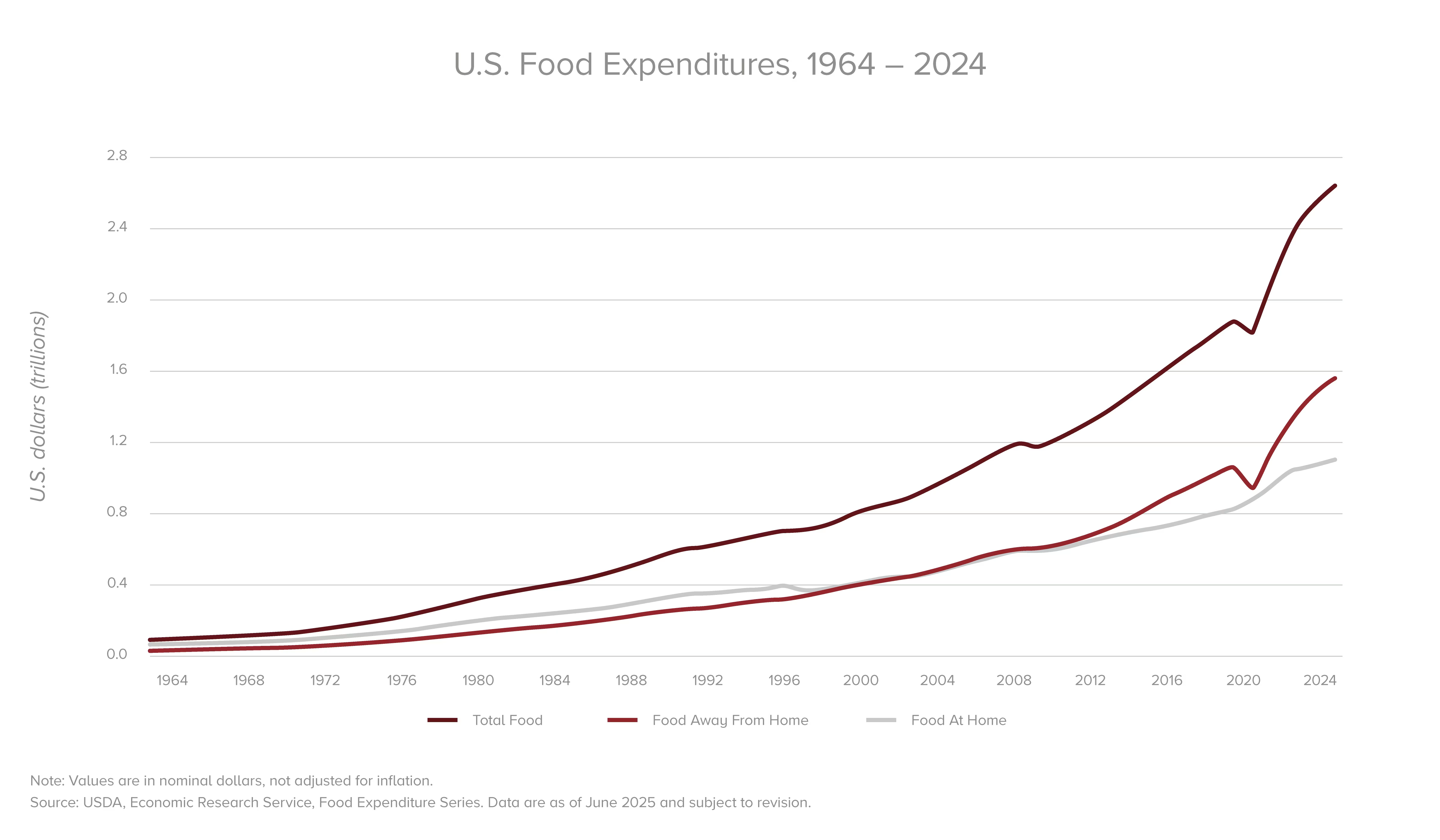
A wide variety of restaurants and other foodservice businesses are seeing steady increases in sales: In fact, the U.S. foodservice industry is projected to reach $1.5 trillion in sales in 2025, a 4% increase over 2024.i Future growth is expected to be robust, surpassing $2 trillion by 2032.ii
This is being driven by consistent increases in consumer spending on food, including food away from home, which has surpassed spending on food at home (Figure 1).
Figure 1: Consumers Spending More on Food Away from Home
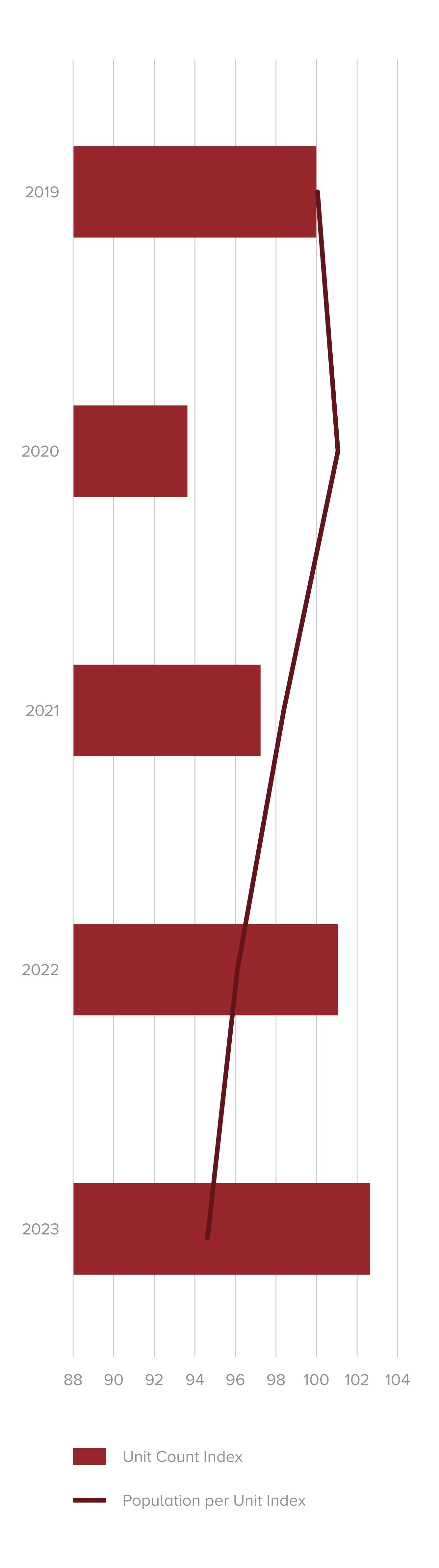
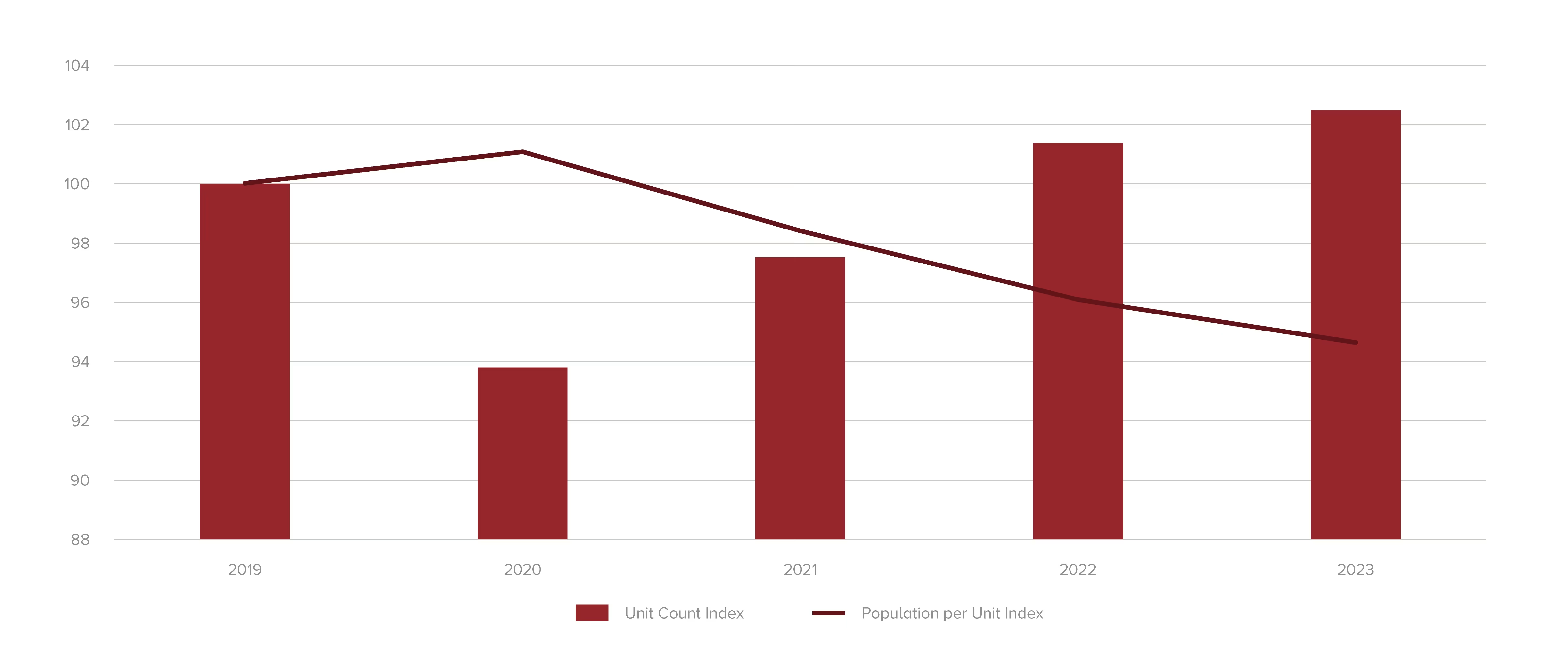
At the same time, however, new restaurants are opening at a higher rate than the population is growing, putting pressure on foodservice operators to differentiate themselves with high-quality, innovative offerings while closely managing operational costs (Figure 2).
Figure 2: Restaurant Openings Outpacing Population Growth
“Consumers are seeking value, and those that deliver it are winning in this competitive marketplace,” says Brant Cash, a managing director. Cash says more foodservice establishments are looking to maintain standards while lowering costs by outsourcing more food production or preparation to suppliers: “Manufacturers higher up in the supply chain have built-in efficiencies and can deliver on the product differentiation and quality standards that consumers expect in restaurants.”
That’s creating new opportunities for a host of businesses in the foodservice supply chain, including recent Harris Williams clients Fresca Mexican Foods, CraftMark Bakery, The Perfect Purée, Patriot Pickle, and, most recently, Caputo Cheese, a leading manufacturer and processor of high-quality Italian cheeses. "These clients embody many of the qualities that make leading foodservice supply chain and ingredients companies stand out to investors,” says Cash.
For example, says Cash, Caputo has established a critical position in the value chain, from global procurement to aging, R&D and formulation, as well as value-added processing and packaging. By doing so, Caputo has built strong and lasting relationships with a wide variety of chain and independent restaurants, ranging from fine dining establishments to fast casual restaurants to pizzerias.
Perfect Purée has also prioritized serving a variety of foodservice customers, says CEO Michele Lex: “We’ve sought to differentiate ourselves by working with both independent restaurants and national accounts. We’re able to serve the needs of a variety of customers thanks to our unique, nationwide distribution partner network, which we’ve built out over the last 35-plus years. We’ve also focused on providing more value to all of our customers by making our products an essential and labor-saving ingredient for a variety of menu items, including alcoholic and non-alcoholic beverages, culinary items, and pastry items."
“By serving a diverse customer base of independent restaurants and national chains and offering high-quality, value-added, and labor-saving products those customers seek out, companies like Caputo and Perfect Purée avoid becoming dependent on any single customer while achieving significant growth,” says Andy Warczak, a director. “Doing this successfully often requires a ‘feet on street’ strategy combined with a well-built-out distribution network.”
Another key success factor in the foodservice channel is developing distributor relationships to ensure product availability across the country. “Over the last 50 years, we've built strong relationships with some of the largest broadline, produce, and specialty distributors in the U.S., as well as redistributors,” says Caputo CEO Natale Caputo. “That’s helped us serve more customers more effectively, whether they’re a national chain or a local independent that wants smaller quantities. Product availability is key, so making sure your products are easily accessible to customers across the country is an important growth unlock.”
While the foodservice channel provides a wealth of opportunities, the most differentiated businesses have extended their capabilities beyond it, says Hilary King, a director. “Caputo provides several major CPG companies with customized cheese ingredient solutions for a variety of end-product applications ranging from dressings and sauces to protein inclusions. And since CPG customers tend to prefer larger-format packaging compared to foodservice customers, Caputo’s ability to offer a variety of packaging sizes and formats has been essential.”
Abundant Opportunities
With continued growth on the horizon, the foodservice supply chain provides a wealth of opportunities for a variety of innovative foodservice suppliers, which has captured the attention of food and beverage investors. A few key traits separate leaders from laggards: meeting a variety of end-product application needs for customers, collaborating with those customers to develop differentiated products that will drive consumer interest and traffic, and building strong relationships with a range of distribution partners. Looking beyond foodservice to serve CPG manufacturers unlocks even more growth opportunities.
“It’s exciting to see the growth and innovation happening in foodservice today,” says Cash. “We continue to see the substantial value that businesses can create by offering customers innovation as well as customized solutions. And given the size and fragmentation of the space, there’s significant value left to unlock.”